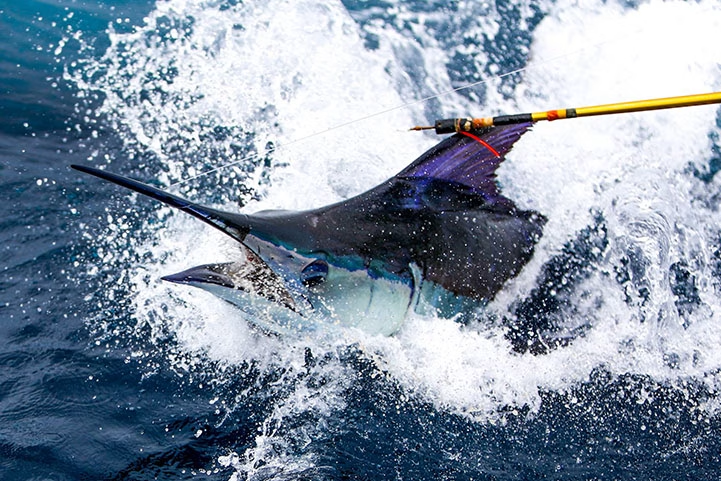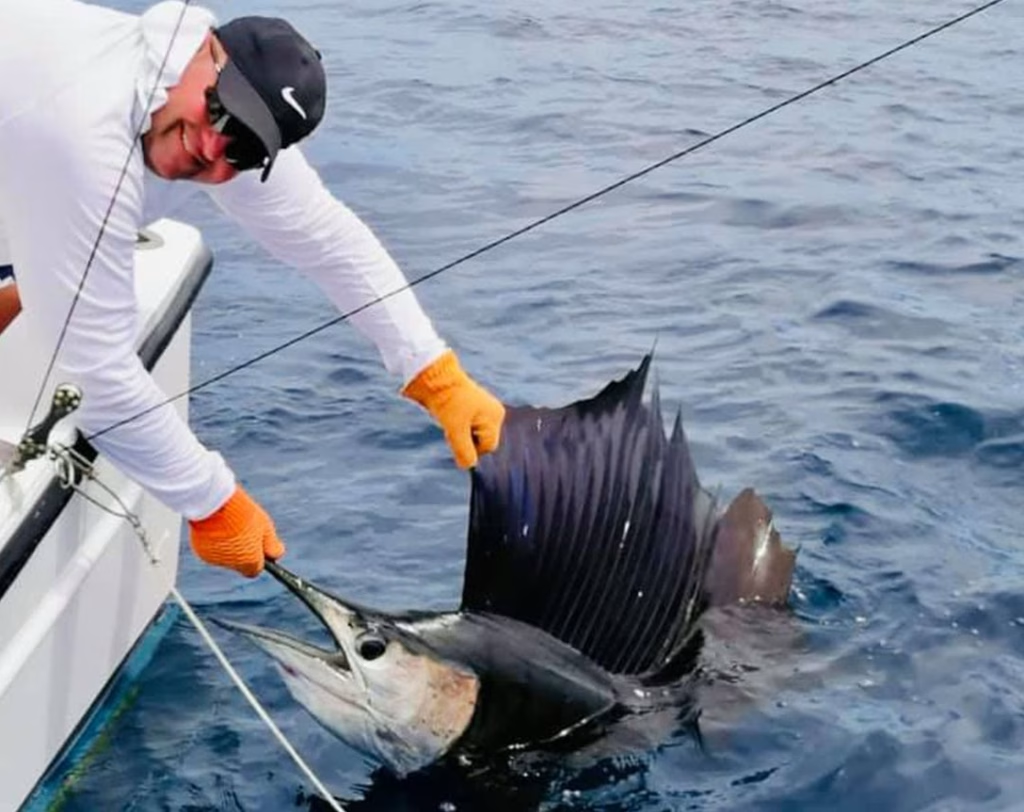
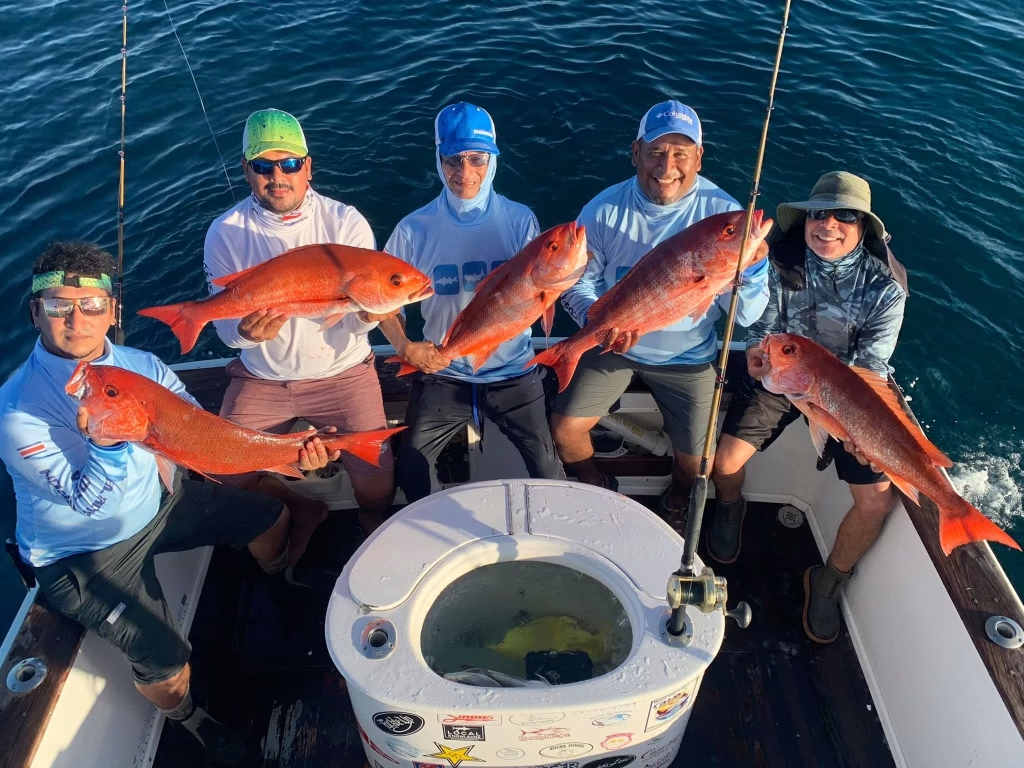
Cubera snapper are one of the most powerful and respected inshore species in all of Costa Rica. Known for their massive size, crushing bite force, and unbeatable strength, cubera snappers are the true gladiators of the reefs. These fish can overpower even experienced anglers in seconds, making them one of the most rewarding targets for anyone seeking a serious inshore challenge.
Costa Rica offers world-class opportunities to target cubera snapper throughout the Pacific coast. With steep rocky shorelines, reef systems, submerged pinnacles, and underwater caves, the country provides ideal habitat for these hard-hitting predators. Whether you are fishing near Jaco, Los Sueños, Quepos, Tamarindo, Flamingo, or the remote waters of the Osa Peninsula, cubera snapper remain a top prize for anglers who want explosive power and trophy-sized action close to shore.
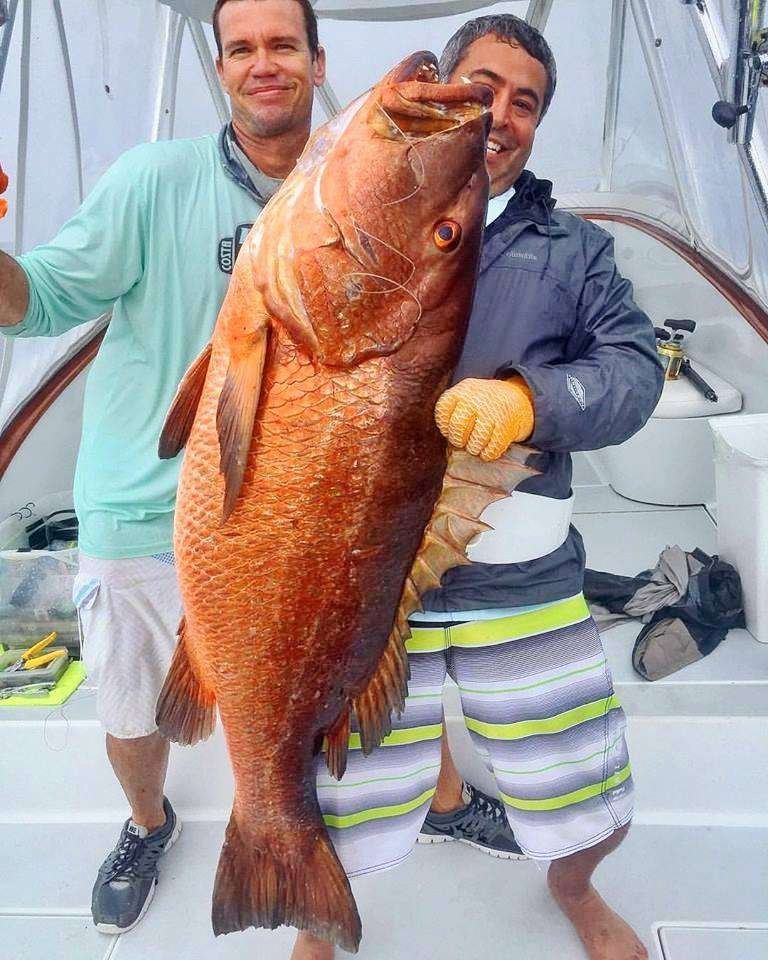
Cubera snapper in Costa Rica frequently exceed 40 pounds. Fish over 50 pounds are caught every year, and giants reaching 70 to 80 pounds are possible in certain regions. Their strength, aggression, and habitat make them one of the most challenging fish to land.
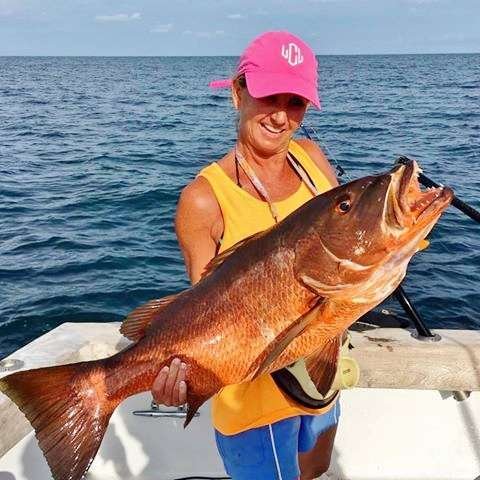
Why Cubera Snapper Are So Impressive
Cubera snapper stand apart from other inshore species for several reasons. Their size and sheer strength alone make them one of the top predators in Costa Rica’s inshore waters. A fully grown cubera has thick shoulders, heavy scales, and a powerful jaw built to crush crustaceans, baitfish, and even lobsters. Add in their preference for deep structure, and it becomes clear why landing one is such a major accomplishment.
Reasons cubera snapper are considered elite inshore game fish:
Massive power
Cubera snapper strike with immediate force and make violent, sudden runs toward the rocks or structure. If they reach the reef, the fight is often over. Handling their strength requires heavy gear, quick reflexes, and smart boat positioning.
Incredible size
These fish can reach 60 to 80 pounds in Costa Rica. Even smaller cubera in the 20 to 30 pound range fight harder than nearly any other inshore species.
Challenging behavior
Cuberas prefer deep caves, ledges, and underwater drop-offs. You must pull them away from the structure immediately or risk losing them.
Extremely aggressive
They will crush live bait, tear through big jigs, and attack topwater plugs with ferocity.
Master of their habitat
Their ability to use rocks and reefs for protection makes them difficult to hook and even more difficult to land.
Landing a cubera snapper is a true badge of honor for any angler visiting Costa Rica.
Best Time to Catch Cubera Snapper in Costa Rica
Cubera snapper can be caught year-round, but certain times and conditions improve your chances of hooking a trophy fish.
Year-Round Action
Cubera snapper do not migrate long distances like pelagics. They live in the same reefs, caves, and rocky areas throughout the year. This stability means anglers can target cuberas in Costa Rica during any month.
Peak Season
June through October is considered the most productive period for cubera snapper, especially in the central and southern Pacific. These months bring stronger tides, more bait movement, and deeper current shifts that trigger feeding activity near rocky structure.
Good Months with Clear Water
December through April offers excellent cubera fishing when the water is clear and calmer, especially along northern Costa Rica and Los Sueños. During this period, you can sight-cast topwater lures or pitch bait directly toward visible rocky formations.
Best Tides
Cuberas feed more aggressively during strong tide swings. Rising tides that push bait into reef systems are especially productive. Many captains plan cubera trips around specific tidal windows for the best action.
Best Locations in Costa Rica for Cubera Snapper
Cubera snapper thrive in deep, rocky environments. Costa Rica’s Pacific coastline is full of structure that holds big fish year-round.
Jaco and Los Sueños
This region has excellent cubera habitat, including underwater pinnacles, steep cliff faces, and submerged boulders. Many captains slow-troll live bait or work heavy jigs along the rocky edges, only minutes from Los Sueños Marina.
Quepos and Manuel Antonio
Quepos is one of Costa Rica’s top cubera snapper destinations thanks to its network of reefs and deep rock formations. The proximity of these structures to Marina Pez Vela makes Quepos a reliable place for anglers seeking heavy inshore action.
Tamarindo, Flamingo, and Guanacaste
Northern Costa Rica features volcanic rock points, underwater ledges, and deep-water reefs perfect for cubera snapper. The Bat Islands and Catalina Islands are famous for producing large cubera catches and dramatic battles.
Osa Peninsula and Golfito
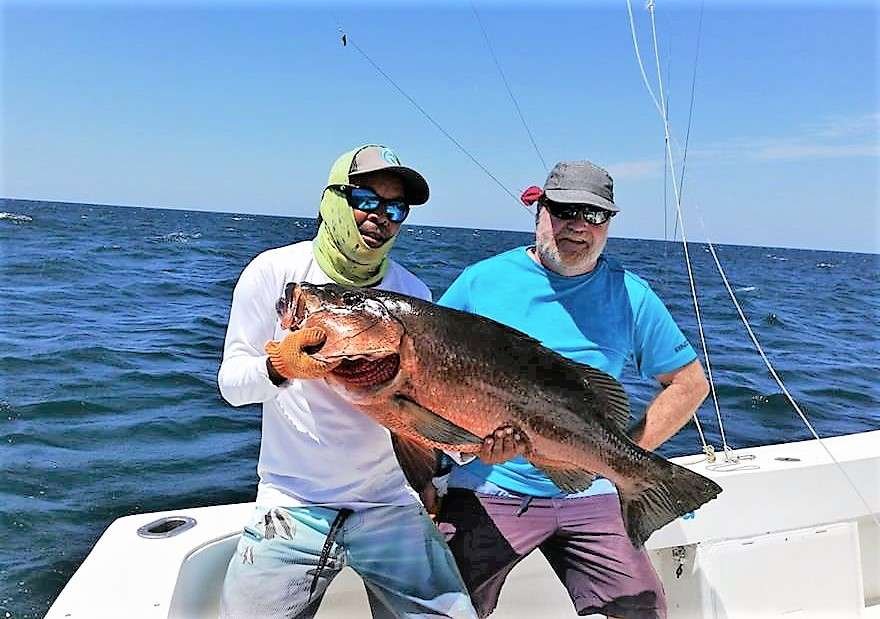
The southern zone is widely considered the best cubera snapper fishery in Costa Rica. The rugged coastline around Drake Bay, Piedras Blancas, and Golfo Dulce holds some of the largest cubera in the country. Fish over 50 pounds are common in this region, and the remote waters offer less pressure and more aggressive strikes.
Central Pacific River Mouths
Large cubera snapper often hunt around river mouths, especially during the rainy season when bait is flushed into open water. These spots can produce surprise trophy fish.
How Cubera Snapper Are Caught in Costa Rica
Cubera snapper require specific techniques because of their strength and preferred habitat. If you hook a cubera, the fight is often won or lost in the first 10 seconds. You must apply maximum pressure immediately and prevent the fish from diving into the rocks.
Here are the most effective methods used by Costa Rican captains:
Live Bait
Live bait is the number one method for targeting big cubera snapper. The best live baits include:
Big sardines
Goggle-eye
Lookdowns
Bonito
Small jacks
Blue runners
Captains slow troll or drift live bait across rocky ledges, reefs, and drop-offs. When a cubera strikes, the angler must set the hook hard and immediately turn the fish.
Jigging
Heavy metal jigs and slow-pitch jigs work exceptionally well for cubera snapper in deeper water. These lures imitate wounded fish sinking toward the bottom. Cubera often strike jigs out of pure aggression.
Casting Plugs
Large diving plugs and shallow-running crankbaits produce explosive strikes when worked along reef edges. This method is exciting and highly effective in moderate water depths.
Topwater Lures
In crystal-clear water, cubera snapper sometimes rise to hit topwater poppers and stickbaits. These bites are dramatic and powerful, producing one of the most memorable inshore strikes in Costa Rica.
Bottom Fishing
Using heavy gear, anglers drop big chunks of bait or whole fish rigs to the bottom near rocks and ledges. This is a classic method and often effective for very large cubera, but requires skill to pull the fish away from structure.
Fly Fishing
Cubera snapper on fly tackle is possible but extremely challenging. Anglers must cast large streamers near structure and be prepared for explosive, short-range strikes.
Why Cubera Snapper Are So Difficult to Land
Cubera snapper are notorious for breaking lines, bending hooks, and running straight into the rocks. The difficulty comes from a combination of factors:
Immediate power
Once hooked, cubera snapper explode downward with shocking force.
Structure-oriented behavior
Cuberas instinctively run into caves or between rocks, breaking the line in seconds.
Thick scales and jaws
Their jaws are powerful enough to crush lobster shells and can prevent proper hook penetration if the angler hesitates.
Unpredictable attacks
Cuberas often strike at strange angles, making it difficult to set the hook cleanly.
To land a cubera snapper, you need:
Heavy gear
Strong drags
Fast reflexes
A skilled captain
Immediate pressure after the strike
This challenge is what makes cubera snapper one of the most rewarding catches in Costa Rica.
What to Expect on a Cubera Snapper Charter
Most cubera trips take place within 5 to 30 minutes of the marina, depending on region and tide. Inshore charters typically last between 5 and 9 hours, giving anglers time to work several productive areas.
A cubera fishing day often includes:
Fishing rocky points, reefs, and submerged pinnacles
Using live bait, heavy jigs, or large lures
Strong currents and fast-moving water
Explosive, violent strikes
Short but intense battles
Multiple species encounters
Besides cubera, anglers commonly catch:
Roosterfish
Red snapper
Rock snapper
Amberjack
Mackerel
Jack crevalle
Cubera charters are ideal for experienced anglers or anyone who wants a serious challenge. Beginners can still catch cuberas with help from the crew, but these fish are among the toughest inshore fighters you will face.
Conservation: Catch and Release for Cubera Snapper
Cubera snapper are a prized sport fish and are typically released in Costa Rica. While some small snapper species may be kept for eating, large cubera are almost always released to protect populations. These fish grow slowly and are vital to maintaining healthy reef ecosystems.
Captains use:
Circle hooks
Heavy gear to reduce long fights
Proper handling techniques
Dehooking tools
Water releases for bigger fish
Releasing cubera snapper ensures that trophy fish remain abundant for future anglers.
Trophy Cubera Snapper in Costa Rica
Cubera snapper over 30 pounds are considered trophy-sized. In Costa Rica, cuberas over 40 to 60 pounds are caught each year, especially in the southern Pacific. The largest cubera snapper ever landed in Costa Rica were caught around rocky islands, deep reef systems, and sharp drop-offs.
A true trophy cubera snapper is a fish that tests every part of your tackle, your technique, and your determination. Many anglers consider a trophy cubera to be harder to land than a roosterfish or even some offshore species.
Planning Your Cubera Snapper Trip
When planning your cubera trip in Costa Rica, consider the following:
Preferred region
Boat size and inshore setup
Live bait availability
Your physical strength and experience level
Tides and moon phases
Time of year
For anglers who want to test themselves against one of the strongest inshore species on Earth, a cubera snapper trip delivers unforgettable action.
Ready to Book Your Cubera Snapper Adventure
Cubera snapper fishing in Costa Rica is raw, powerful, and unforgettable. Whether you want to target them with live bait, jigs, or topwater lures, we can help match you with the best captains and boats for your preferred region. Let us know your dates, location, and group size, and we will help plan your ideal cubera snapper charter.