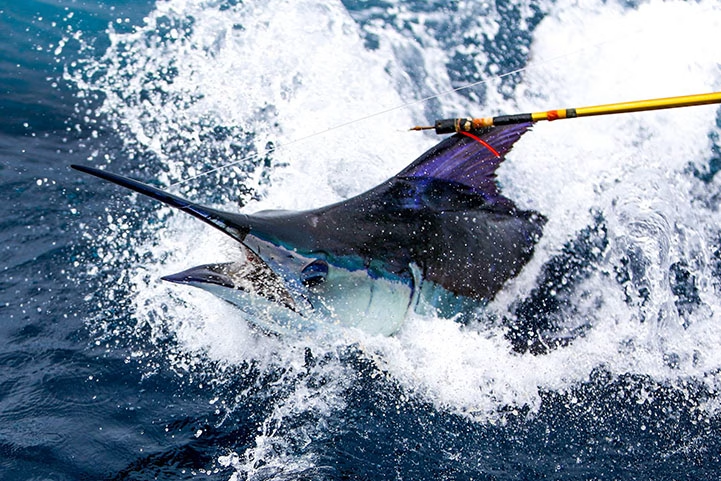
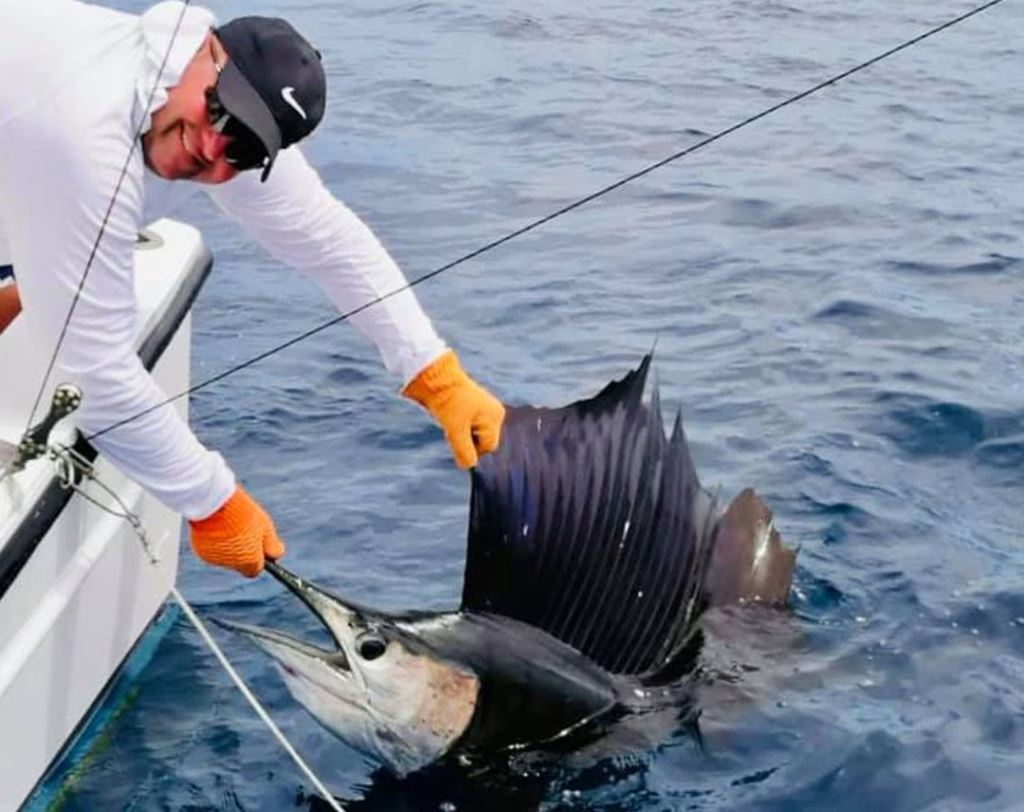
Costa Rica is one of the most famous billfishing destinations in the world, and sailfish are the heart of that reputation. Anglers from the United States, Canada, and across the globe travel here each year to experience high-volume offshore action, warm tropical weather, and the thrill of releasing one of the most spectacular gamefish on the planet. Sailfish in Costa Rica are known for speed, power, and dramatic aerial displays that make every hookup unforgettable.
From the world-class marina in Los Sueños to the bustling offshore fleet in Quepos, all the way to the northern waters near Flamingo and Tamarindo, Costa Rica offers a level of sailfish consistency that is rarely matched. Long seasons, abundant bait, and professional catch-and-release practices keep this fishery strong year after year.
If you want to experience unforgettable offshore action, Costa Rica’s sailfish season is the perfect place to start your adventure.
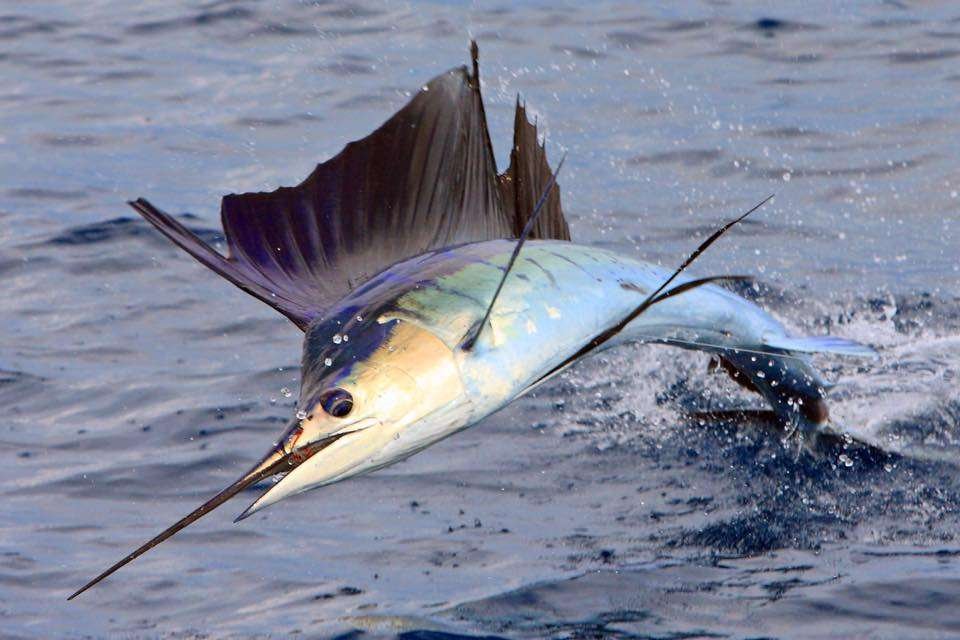
Why Costa Rica Is a Global Hotspot for Sailfish
There are only a few places in the world where you can reliably expect multiple sailfish hookups on a single day. Costa Rica is one of them. The combination of ocean currents, deep-water structure, protected bays, and warm Pacific waters makes this coastline a perfect feeding and migration corridor for sailfish.
The primary reasons sailfish thrive here include:
Rich Current Lines
Costa Rica sits between the North Equatorial Current and the Panama Bight, creating feeding lanes packed with sardines, goggle-eye, and juvenile tuna. These bait schools draw in large numbers of hungry sailfish.
Deep Water Close to Shore
Along the central Pacific coast, the continental shelf drops quickly. In places like Jaco and Quepos, you are often fishing in blue water within 25 to 45 minutes of leaving the marina.
Stable Tropical Temperatures
Sailfish are highly sensitive to temperature changes. Costa Rica’s warm, stable climate keeps them active throughout the year and allows sustained concentrations of fish.
World-Class Fisheries Management
Strict catch-and-release practices, combined with responsible tourism and local conservation efforts, help protect billfish populations. Most captains maintain a zero-kill policy for sailfish.
Professional Crews
Costa Rica is home to some of the most experienced billfish captains and mates in the world. Many crews have worked international tournaments, including the Offshore World Championship and the Los Sueños Triple Crown.
All of these elements come together to create one of the most dependable sailfish fisheries on Earth.
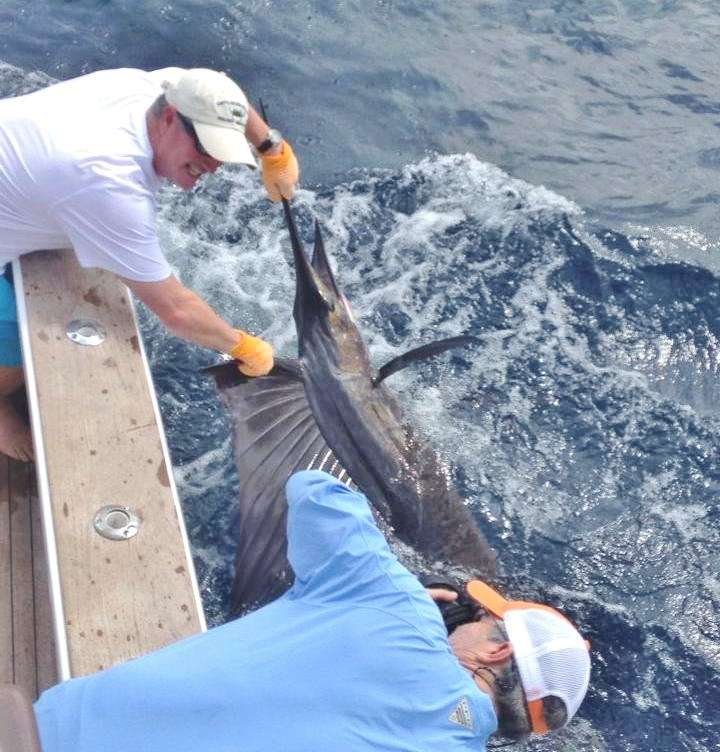
When Is the Best Time to Catch Sailfish in Costa Rica
Sailfish are a year-round species here, but certain seasons offer the peak action that Costa Rica is famous for. Understanding the seasonal patterns helps you choose the perfect travel dates for your fishing goals.
December to April
This is the prime sailfish season along the central and northern Pacific coast. The dry weather, clear water, and calm seas make this the most popular time of year. During these months, daily double-digit sailfish releases are not uncommon, especially from Los Sueños and Quepos.
Expect the most consistent bite, the most boats on the water, and the highest likelihood of large sailfish packs in the spread.
May to August
The green season brings a shift in currents and water temperature, but sailfish remain steady. Many captains say that June and July can bring surprisingly strong bites, especially after a few days of stable seas. Mixed offshore action with tuna and marlin is common, making this a great time for anglers who want variety.
September and October
These months are the heart of the rainy season and often see fewer tourists, but that does not mean the sailfish disappear. Weather can be more unpredictable, yet experienced captains know how to work inshore current edges, debris lines, and patches of clean water to locate surprising concentrations of sails.
Year-Round Action
While there are peak months, Costa Rica is not a destination where the sailfish season shuts down. Crews routinely release fish across all twelve months of the year, especially in areas like the central Pacific where deep water is close, and currents stay strong.
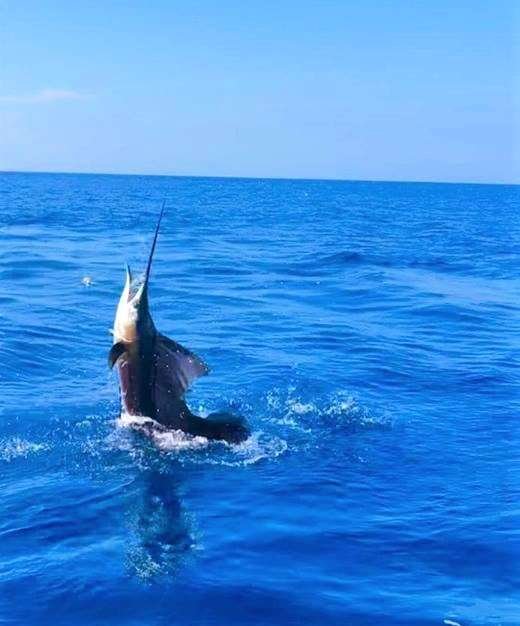
Best Locations in Costa Rica for Sailfish
Every coast has its advantages, but some parts of Costa Rica consistently shine when it comes to sailfish numbers and overall offshore experience.
Los Sueños and Jaco
The Los Sueños Marina is widely considered Costa Rica’s billfish capital. The area offers:
Short runs to prime offshore waters
Clean blue water most months of the year
Luxury facilities and top-tier charter fleets
World-famous tournaments like the Triple Crown
From December through April, sailfish fishing off Los Sueños can be exceptional. Many boats post impressive release numbers during tournaments, proving the strength of the fishery. Even outside tournament season, daily sailfish action remains strong.
This is the ideal location for anglers who want premium boats, professional crews, and easy access to excellent restaurants and accommodations.
Quepos and Manuel Antonio
Quepos is another major sailfish hub, home to Marina Pez Vela. This destination is especially famous for high-volume sailfish action and international tournaments like the Offshore World Championship. With experienced captains, well-equipped boats, and a quick run to deep water, Quepos offers one of the most dependable sailfish fisheries anywhere.
Flamingo and Tamarindo
Northern Guanacaste has strong sailfish action during the dry season and excellent offshore variety. When the winds settle and the water clears, this region can turn on quickly. It is also a great destination for anglers who want to combine fishing with beach vacations and water activities.
Golfito and the Southern Zone
The southern waters near Golfito offer a different experience. Deep water sits very close to shore, allowing fast access to offshore action. The fishery here is less pressured, more remote, and perfect for anglers who prefer a quieter setting with consistent action on sails, tuna, dorado, and occasional marlin.
Techniques Used to Target Sailfish in Costa Rica
Costa Rican crews are some of the best in the world when it comes to sailfish techniques. Over decades, they have perfected methods that consistently raise fish into the spread and keep the action steady.
Trolling with Ballyhoo
Rigged ballyhoo is the most common trolling method. Crews pull a combination of teasers, small lures, and ballyhoo baits to attract fish. This technique works in a wide range of conditions, making it the most reliable approach year-round.
Pitch Bait
Pitch baiting is a favorite technique during peak season when large packs of sailfish show up behind the boat. The crew teases fish close, then the angler pitches a rigged bait. This creates explosive, close-range strikes and is one of the most exciting ways to hook a sailfish.
Live Bait
In certain conditions, live bait is ideal for raising sailfish that may be feeding deeper or traveling in small groups. Live sardines, goggle-eye, or small bonito are productive baits.
Dredges and Teaser Chains
Modern boats use multi-arm dredges and squid chains to mimic schools of bait. This is especially effective in Costa Rica, where billfish respond aggressively to teaser spreads.
Circle Hooks
Costa Rica promotes circle hooks for billfish to ensure safe, healthy releases. These hooks improve survival rates and help maintain long-term fishery health.
What to Expect on a Sailfish Charter
A typical full day in Costa Rica runs about 8 to 9 hours. Boats depart around 7 am and return mid-afternoon after a full day offshore. You can expect:
Professional crews who specialize in billfish
Tournament-grade tackle
Comfortable cruising to the fishing grounds
Fast-moving sailfish packs around the boat
Multiple shots throughout the day
Most charters include all fishing equipment, bait, safety gear, lunch, water, sodas, and beer. The goal is to make the experience simple and stress-free, from the moment you step aboard to the final release of the day.
Many anglers experience their first billfish in Costa Rica. Others return year after year for the high-volume action that makes this fishery so famous.
Additional Species You May Encounter
While targeting sailfish, you will likely encounter a variety of other offshore species. These include:
Blue and Black Marlin
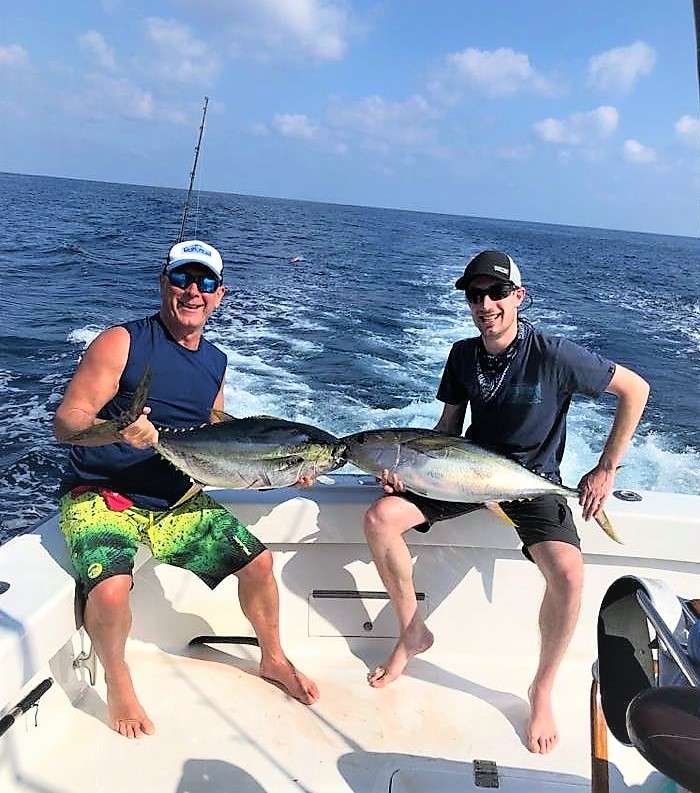
Yellowfin Tuna
Mahi Mahi
Wahoo
The combination of consistent sailfish action and mixed species opportunities is part of what makes Costa Rica such an ideal destination for offshore anglers.
Why Costa Rica Is the Best Place for Your First Sailfish
Costa Rica offers a unique combination of accessibility, professional services, and reliable fishing that makes it ideal for beginners. First-time offshore anglers appreciate the calm seas, short travel distances, friendly crews, and beginner-friendly techniques. At the same time, experienced anglers enjoy the challenge of large sails, fast action, and the potential for multiple releases.
Families, solo anglers, groups of friends, and seasoned offshore veterans all find something to love about Costa Rica’s sailfish season.
Planning Your Costa Rica Sailfish Trip
Proper planning helps you get the most out of your trip. The busiest months are January through April, so booking early is important, especially for premium boats. Consider:
Preferred location
Group size
Desired boat size
Offshore experience level
Time of year
Travel schedule
Target species beyond sailfish
If you want to mix your sailfish trip with inshore action, beach days, or adventure tours, Costa Rica makes it easy. Most marinas sit near major vacation hubs with hotels, restaurants, and fun activities for the entire family.
Ready for Your Sailfish Adventure
Whether this is your first billfish or your hundredth, Costa Rica offers the perfect mix of world-class fishing, professional crews, and breathtaking scenery. Sailfish are the stars of the show here, and each trip offers new excitement, new challenges, and new stories to take home.
If you want to plan your Costa Rica sailfish experience with the most trusted captains, the right boats, and personalized trip recommendations, we are here to help you every step of the way.