Costa Rica Inshore Fishing
Cubera Snapper
in Costa Rica
Target one of Costa Rica’s strongest inshore predators around rocky reefs, islands and deep structure with experienced local captains.
The reef heavyweight
Why Cubera Snapper are so impressive
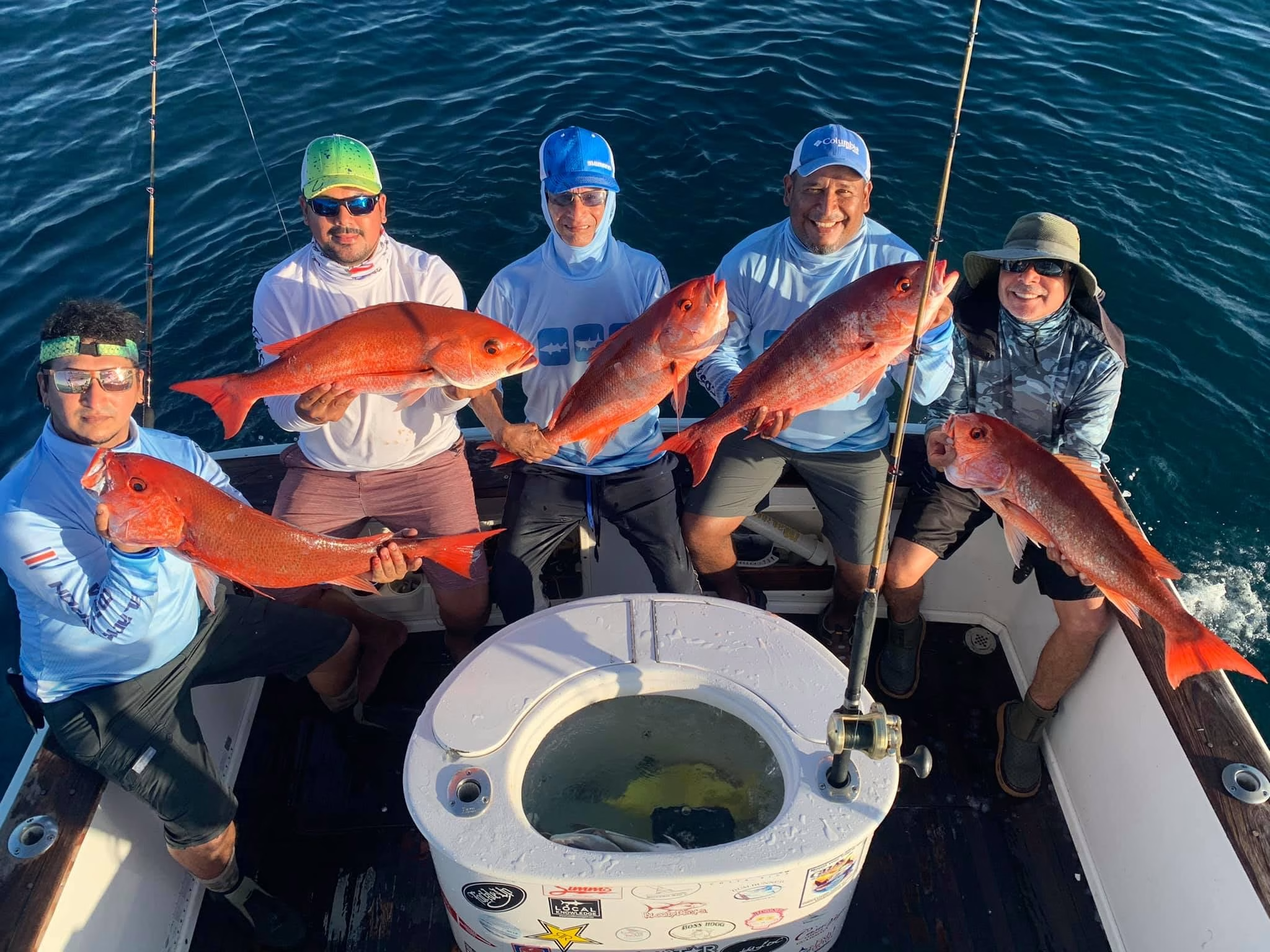
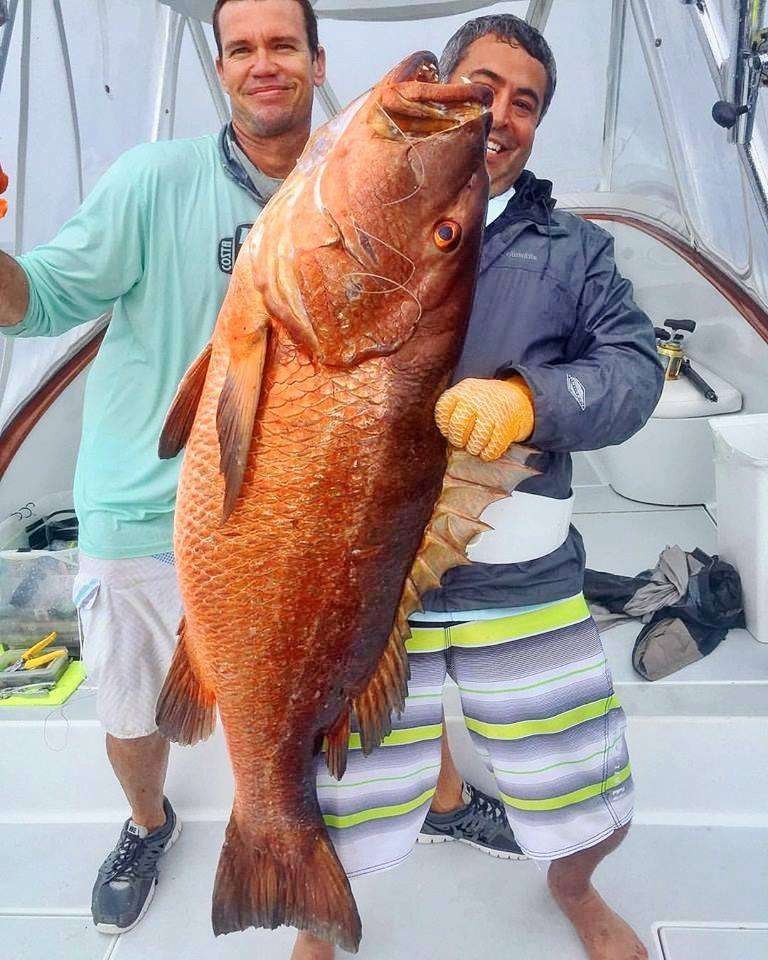
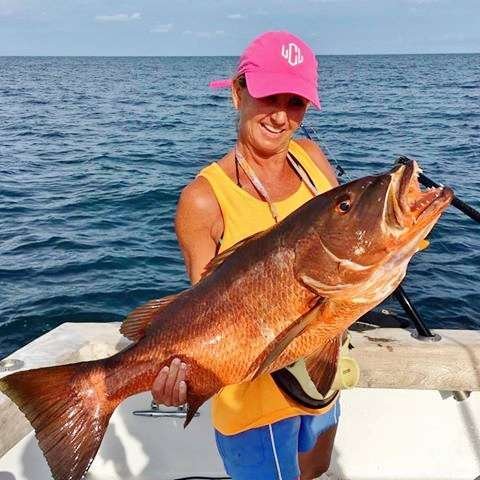
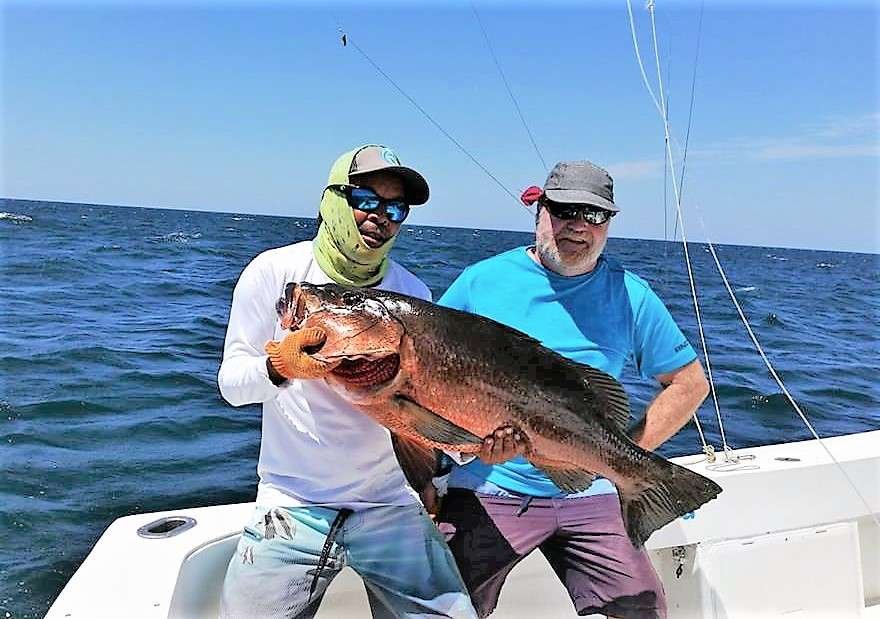
Cubera snapper are among the largest and most powerful snapper species in the eastern Pacific. Their heavy bodies, large canine teeth and explosive first run make them a favorite target for anglers who enjoy demanding inshore fishing.
They live close to rocks, reefs, ledges, pinnacles and islands. Once hooked, a cubera usually tries to return to that structure immediately, which is why strong tackle, fast reactions and an experienced captain matter.
Habitat and behavior
Built for ambushes around heavy structure
Cubera snapper hunt around the places that make them difficult to land: submerged rocks, reef edges, drop-offs and pinnacles.
Powerful first run
The opening seconds are critical. Cubera use their strength to reach rocks and cut the line, so anglers must apply pressure immediately.
Aggressive predators
They eat live bait, fish, crustaceans and other prey around reefs. Large plugs and poppers can trigger spectacular surface strikes.
Low-light hunters
Dawn, late afternoon, changing tides and moving current can improve feeding activity around productive structure.
When to fish
Best time for Cubera Snapper in Costa Rica
Cubera can be caught throughout the year. Conditions, bait availability, tides and water clarity often matter more than a single calendar month.
The green season commonly brings productive inshore conditions, while dry-season months can offer clearer water and comfortable weather. A local captain can plan around the tide and current for your chosen coast.
Techniques
How Cubera Snapper are caught
The best technique depends on depth, current, bait and structure. Captains often combine methods during a full inshore day.
Live Bait
Slow-troll or drop live bait close to reefs, rocks and pinnacles while keeping enough pressure to prevent the fish from reaching cover.
Vertical Jigging
Heavy metal jigs work deep ledges and structure where cubera hold below the boat.
Casting Plugs
Large diving plugs can cover rocky shorelines and provoke reaction strikes.
Topwater Lures
Poppers and stickbaits create one of the most exciting ways to encounter an aggressive cubera.
Bottom Fishing
Fresh bait presented near reefs can produce cubera along with grouper, amberjack and other snapper.
Fly Fishing
A specialized challenge for experienced anglers using heavy fly tackle around shallow structure.
The fight
Why Cubera are so difficult to land
A cubera’s advantage is the structure below it. The fish does not need a long run—it only needs to gain a few yards and reach a sharp rock or reef edge.
Where to target Cubera
Best Costa Rica fishing locations
Productive cubera habitat exists along much of the Pacific coast, particularly around rocky points, islands and reef systems.
Jacó & Los Sueños
Central Pacific reefs, islands and rocky shoreline with convenient access from Herradura.
Los Sueños charters →Quepos
Rocky coastline and inshore structure near Manuel Antonio and Marina Pez Vela.
Quepos charters →Guanacaste
Tamarindo, Flamingo and Papagayo provide access to productive North Pacific habitat.
Flamingo charters →Golfito & Osa
Remote rocky coastlines, islands and reefs support excellent South Pacific inshore fishing.
Golfito charters →Trophy stewardship
Catch, photograph and release the giants
Large cubera snapper are valuable breeding fish and an important part of the reef ecosystem. We encourage careful handling and release of trophy-size cubera whenever possible.
Keep the fish supported, minimize time out of the water and follow the captain’s instructions. Smaller legal fish may sometimes be kept for the table, depending on local rules and the crew’s conservation practices.
Plan your charter
Let us match you with a Cubera-capable boat.
Send your fishing date, hotel or destination, number of anglers and experience level. We’ll recommend boats and captains suited for heavy-tackle inshore fishing.
Check Cubera Snapper availability
We’ll reply with suitable departure areas and available boats.
Before you fish
Cubera Snapper fishing FAQ
What is the best season for Cubera Snapper in Costa Rica?
Cubera can be caught year-round. May through October can be especially productive, while dry-season months also offer good opportunities. Tides, current and bait conditions are important on any given day.
How large do Cubera Snapper get?
Cubera are the largest snapper species in the region. Fish over 40 or 50 pounds are true trophies, and exceptional specimens can grow considerably larger.
Is a half-day trip enough?
A half-day may work when productive structure is close to the departure point. A full day provides more time to gather live bait, explore several locations and adapt to changing tides.
Can beginners target Cubera Snapper?
Yes, provided the boat and crew are equipped for the task. The captain and mate will explain how to hold the rod, react to the strike and keep pressure on the fish.
What other species can we catch?
The same inshore areas may produce roosterfish, grouper, amberjack, jack crevalle, snook, sierra mackerel and other snapper species.
Should large Cubera Snapper be released?
We strongly encourage releasing trophy-size fish after a quick photograph. Large cubera are valuable breeding fish and important reef predators.
Ready to challenge a Costa Rica Cubera?
Tell us where you are staying, and we’ll recommend the right inshore charter.
Check available boats →